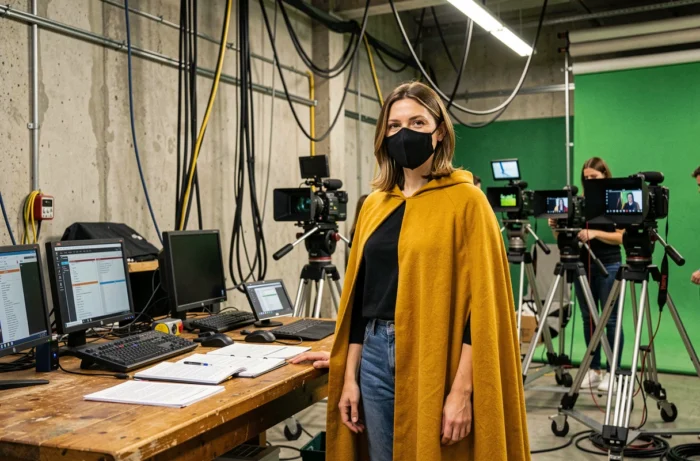
Fantômette is a literary character created by Georges Chaulet in the late 1960s, who has become a figure in French youth culture through several dozen novels published in the Bibliothèque rose. The adaptation of this universe into series and films raises specific production questions related to the transition from a literary character to the screen.
Adapting a youth literary character for the screen: the specific constraints of Fantômette
Transforming a children’s novel into an audiovisual production is not just about filming the events described in the book. The character of Fantômette, as conceived by Georges Chaulet, relies on a mix of mystery, humor, and light action that works in writing but requires a different screenwriting approach.
The dual identity of Françoise (her civil name) and Fantômette imposes a particular narrative structure. Screenwriters must maintain the tension between the character’s daily life and her masked adventures while respecting a tone suitable for a young audience. This constraint influenced the directorial choices during the television series broadcast on France 3 and Canal J in 1993.
The series consisted of about twenty episodes, each approximately twenty-four minutes long. The short format required condensing each plot, where a novel could gradually develop suspense. The adaptations in films with Fantômette on Séries Animés reflect this recurring difficulty: finding the right rhythm between fidelity to the spirit of the novels and the demands of the audiovisual format.
Filming the Fantômette series: locations and production conditions
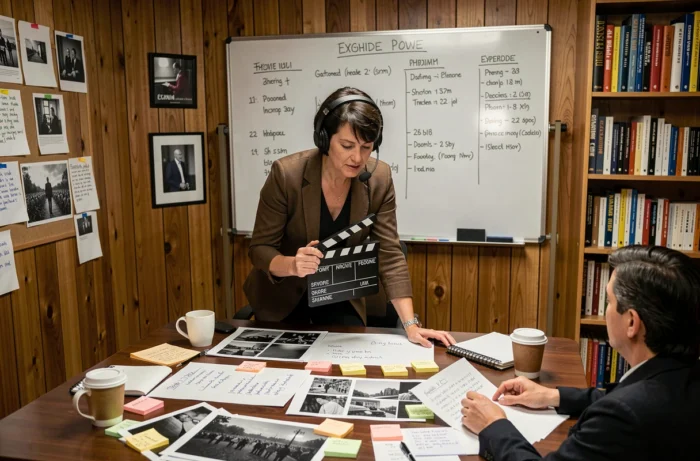
The filming of the Fantômette series took place partly in Villeneuve-d’Ascq, in northern France. This choice of setting anchored the character in a realistic urban environment, far from the Parisian studios often favored for children’s fictions of the time.
Filming outdoors with young actors imposes logistical constraints that adult productions do not encounter to the same degree:
- Shooting schedules are regulated by legislation on child labor, which reduces available time slots and extends the production timeline.
- Action scenes (chases, climbs, confrontations) require stunt doubles or enhanced safety arrangements for the youngest actors.
- Maintaining visual continuity from one episode to another demands particular rigor when actors physically grow between shooting sessions.
These factors partly explain why the series did not exceed a single season of airing, despite the audience’s attachment to the character.
Adaptation rights and funding: what hinders or revives a youth franchise
The issue of literary adaptation rights constitutes a technical barrier often underestimated. To produce a film or series based on Georges Chaulet’s novels, it is necessary to negotiate rights with the author’s rights holders and then structure financing that takes into account the target audience.
French youth productions rarely benefit from the same budgets as adult fictions. The return on investment heavily depends on broadcasting on terrestrial channels and, more recently, on streaming platforms. Decree No. 2025-1421 of December 30, 2025, has redirected part of the mandatory investments of platforms towards animation and creative documentaries. This regulatory evolution could change the financing conditions for projects that rely on existing literary catalogs like that of Fantômette.
A project for an animated adaptation, for example, would fit within this regulatory framework. The transition from live-action (like the 1993 series) to animation would change the very nature of the production: voiceover budgets, character design, narrative pacing.
Protection of voice and image in new productions
The French legal framework has strengthened the protection of voice and image against content generated by algorithmic processing. For a nostalgic franchise like Fantômette, this evolution directly impacts dubbing projects, promotional trailers, or derivative content that would use voice synthesis technologies.
Any reuse of an original actor’s voice now requires explicit consent, even for limited promotional uses. This point alters production practices for older franchises whose sound archives exist but were not covered by contracts anticipating these uses.
Animated or live-action version: two production approaches for Fantômette
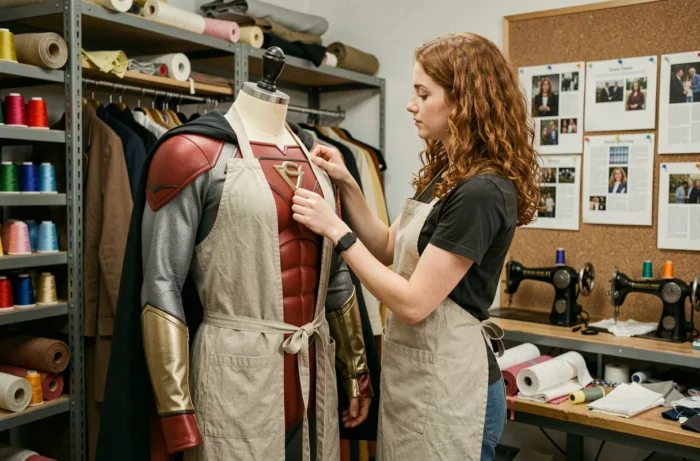
The 1993 series chose live-action with young actors. This format offered closeness to the target audience but imposed the constraints described above. An animated version would present different production advantages.
Animation allows for maintaining the visual identity of the character without aging the performers. Action scenes can be more spectacular without the extra cost of stunts or safety. The graphic style can also adapt to the spirit of the original illustrations of the novels, creating continuity with Georges Chaulet’s literary universe.
On the other hand, animation requires longer production timelines and pre-production artistic direction work. The choice between these two approaches depends as much on the available budget as on the chosen distribution strategy.
The trajectory of Fantômette illustrates a mechanism specific to French youth literary characters: their notoriety relies on generations of readers, but their transition to the screen remains subject to economic, legal, and technical constraints that go beyond the mere quality of the original material. Recent developments in the audiovisual regulatory framework could reopen production possibilities for this type of catalog, provided that project leaders master all of these parameters.