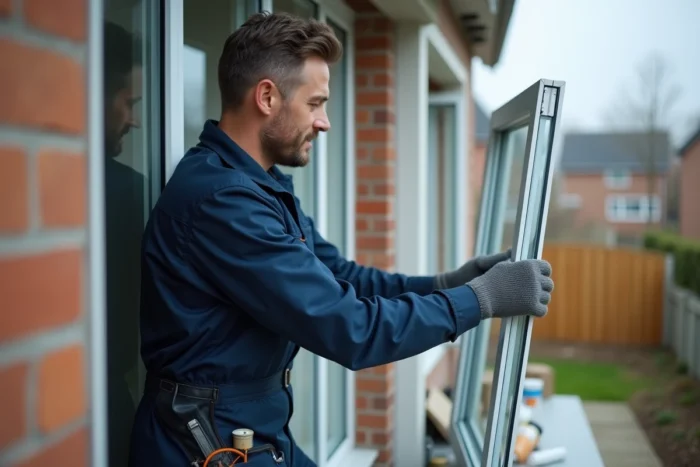
Double glazing refers to an assembly of two glass panes separated by an air or insulating gas layer. This structure is the current standard in construction and renovation for thermal and acoustic insulation of homes. Understanding what actually makes up a double glazing quote helps avoid frequent confusion between the cost of the glass alone and that of a complete installed window.
Glass alone or complete window: the price gap that quotes do not always specify
The first source of misunderstanding when looking for a price per m2 lies in what exactly the quoted figure covers. A standard double glazing in a 4/16/4 configuration (two 4 mm glasses separated by 16 mm of gas) is priced around 40 to 70 euros per m2 excluding installation for the glass alone.
A complete double glazing window, with framing and installation by a professional, typically ranges from 250 to 700 euros per m2 depending on the frame material, the size of the opening, and the chosen range. The gap between glass alone and installed window can therefore range from four to ten times the price of the raw glazing.
When a craftsman announces a price “per m2”, it is essential to check whether this amount includes the framing, removal of the old window, sealing joints, and labor. To accurately assess the price per m2 of double glazing, this distinction between bare glass and equipped window remains the starting point for any reliable comparison.
Ug coefficient and filling gas: what affects thermal performance
The Ug coefficient measures the insulating capacity of the glazing alone, expressed in W/m2.K. The lower this number, the better the insulation. A standard double glazing shows an Ug of around 1.1 W/m2.K, while a reinforced insulation model (ITR) with low emissivity treatment drops significantly below this.
The gas trapped between the two glass panes plays a direct role in this value. Dehydrated air provides basic insulation. Replacing it with argon improves thermal performance for a moderate additional cost. Krypton, rarer and more expensive, further enhances performance, but its use is mainly justified in reduced thicknesses or very high requirements.
Impact on the renovation budget
Choosing argon gas instead of simple air represents a limited additional cost per m2 of glazing. Krypton, on the other hand, increases the price more significantly. For a typical residential property, argon offers the best balance between performance and cost.
Acoustic double glazing and laminated glass: real additional cost per m2
Price guides often list the variants of double glazing without detailing the price differences between them. The available data for 2026 allows for concrete benchmarks:
- A standard double glazing for homes costs about 100 to 200 euros per m2 for the glass alone, depending on thickness and treatment.
- An acoustic or asymmetric double glazing (glass of different thicknesses to break sound frequencies) ranges between 150 and 250 euros per m2 in the common version.
- A reinforced acoustic laminated double glazing can reach up to 400 euros per m2 for the most efficient configurations.
Laminated glazing combines two functions: noise reduction and anti-burglary security, as the interlayer film keeps the glass in place in case of breakage. This dual benefit partly explains the higher price.
When is acoustic glazing really justified?
Investing in asymmetric or acoustic laminated glazing makes perfect sense for facades exposed to a busy road, a railway line, or an air corridor. For a house in a quiet area, standard double glazing with argon gas adequately meets everyday sound insulation needs.
Frame material: PVC, wood, or aluminum and their impact on the final price
The glazing represents only part of the budget. The material of the frame weighs just as much, sometimes more, on the total cost of a window.
- PVC remains the most financially accessible choice. It offers good natural thermal insulation and requires little maintenance. The majority of double glazing windows installed in renovations use this material.
- Wood insulates very well and provides a sought-after aesthetic, but requires regular maintenance (staining, painting). Its installed price per m2 exceeds that of PVC.
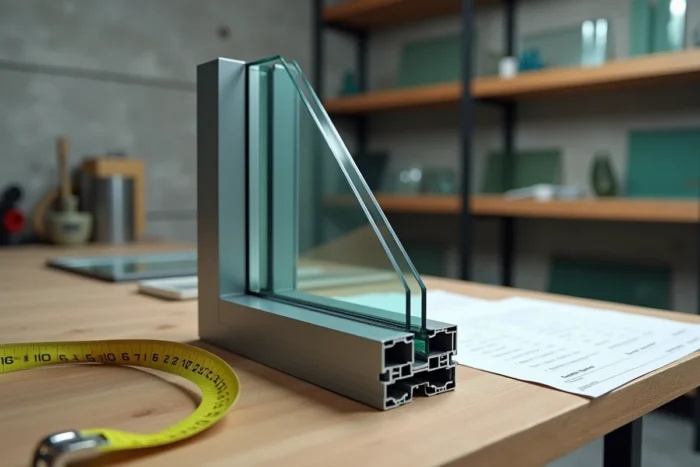
- Aluminum, thinner and more contemporary, allows for narrow profiles that maximize the glazed area. Its natural thermal conductivity requires integrated thermal breakages in the profile, which increases manufacturing costs.
The choice of material depends as much on the budget as on local constraints. Some municipalities impose specific materials or colors in protected areas (historic monument perimeter, safeguarded sector).
Financial aids and grants: what remains accessible in 2026
Replacing single-glazed windows with double glazing is part of insulation work eligible for several aid schemes. Energy saving certificates (CEE) allow for a grant paid by energy suppliers, provided that a RGE (Recognized Environmental Guarantee) craftsman is hired.
MaPrimeRénov’ can also cover part of the cost for low-income households, depending on the current caps. The amount of these aids varies based on household income, geographical area, and the number of windows replaced.
Obtaining several detailed quotes, ensuring that each line distinguishes the cost of the glazing, the framing, and the installation, remains the most reliable method for comparing offers. A quote that consolidates everything into a single line “installed window” prevents any serious comparison and complicates the calculation of grants, which often focus on the glazing itself.